When your pet needs specialized care, a veterinary laboratory plays a critical role in providing accurate diagnostics and treatment guidance.
In laboratorios veterinários this descubra comolaboratórios veterinarios article, we’ll explore what veterinary labs do, what services they offer, how to find one near you, and why choosing the right lab matters.
Let’s start by understanding exactly what a veterinary laboratory is and why it’s essential in modern animal healthcare.
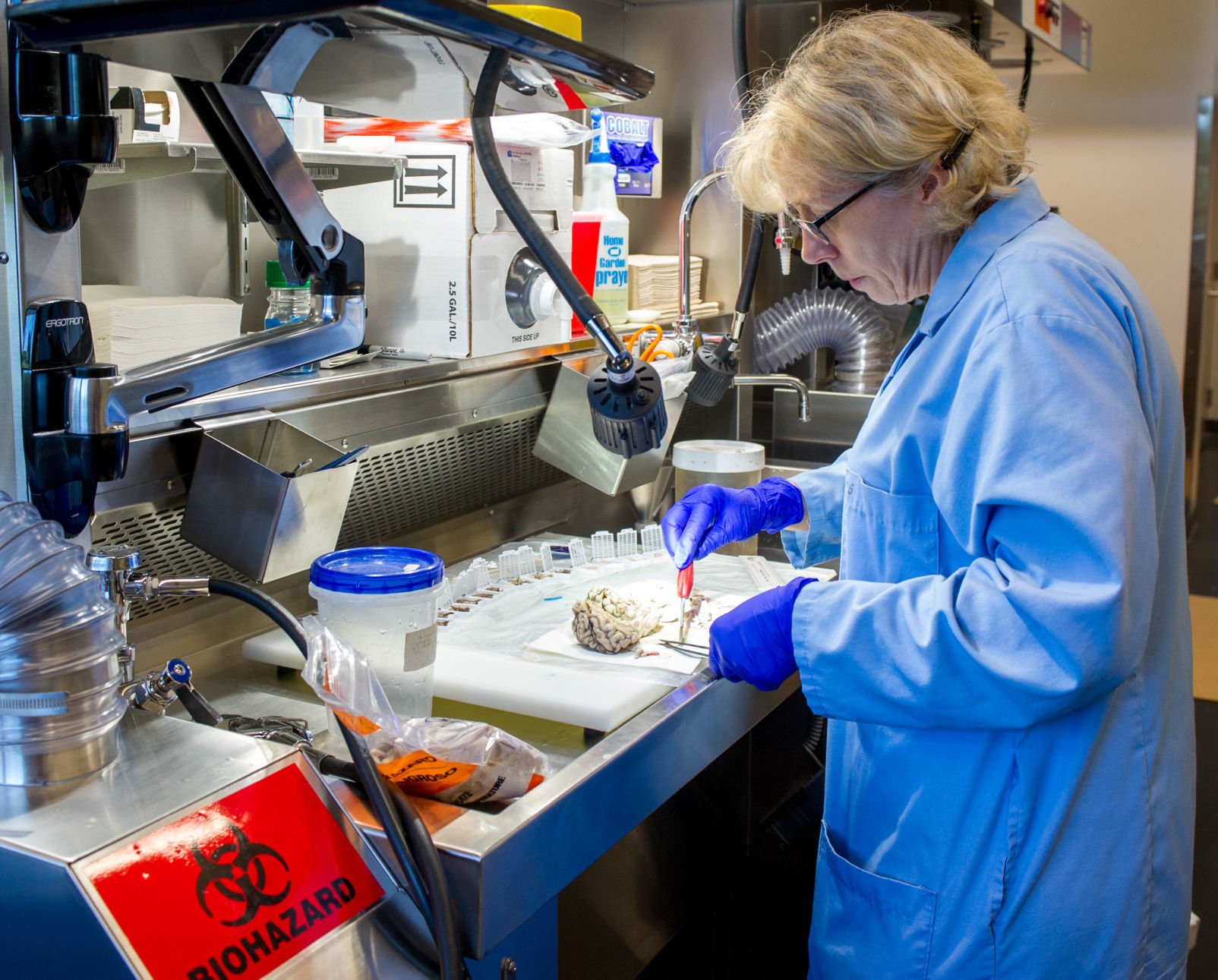
What Is a Veterinary Laboratory?
These labs support veterinarians by providing critical diagnostic insights that can’t be seen during a physical exam alone.
Veterinary labs vary in size and specialization.
In the US, veterinary laboratories can operate as standalone diagnostic centers, be integrated into veterinary hospitals, or work as part of nationwide networks.

What Tests Do Veterinary Labs Offer?
Veterinary laboratories perform a wide range of tests that help veterinarians evaluate an animal’s health.
For more specialized diagnostics, veterinary labs offer cytology (examining cells under a microscope), biopsies, hormone level testing (such as thyroid or cortisol), and infectious disease panels.
These tests are essential for early disease detection, accurate diagnosis, and treatment planning.
How to Find a Veterinary Lab Near You
Many vet clinics also have in-house labs for basic tests and refer complex cases to specialized facilities.
Reading reviews and checking for specific services (like 24-hour diagnostics or exotic animal testing) can also help narrow your search.
If you’re a pet owner seeking direct access to a lab for second opinions or advanced testing, contact the lab to understand their intake process—some require referrals, while others accept samples directly.
Standard vs. Emergency Veterinary Laboratories
Knowing when to use each type can make a significant difference in urgent cases.
These labs are often linked to emergency veterinary hospitals and specialize in handling critical cases at any time of day or night.
Discuss with your veterinarian which lab setup best suits your pet’s needs.
Why Veterinary Diagnostics Matter for Your Pet’s Health
Without accurate diagnostics, treatment plans may miss the mark, potentially delaying recovery or worsening outcomes.
For preventive care, routine lab work helps catch issues before symptoms appear.
This partnership between lab, vet, and pet owner is what keeps animals healthy and thriving.
Conclusion: Choosing the Right Veterinary Lab for Your Pet
Whether you need routine bloodwork, specialized diagnostic panels, or emergency testing, the lab you choose plays a crucial role in guiding your veterinarian’s decisions.
By understanding the range of services veterinary labs offer, knowing when to seek 24-hour support, and learning how to find reputable labs near you, you empower yourself to make the best choices for your animal companion.
Stay informed, stay proactive, and don’t hesitate to ask your veterinarian how lab testing can enhance your pet’s care plan.
FAQ About Veterinary Laboratories
Why do vets use diagnostic labs?
These labs support veterinarians by providing accurate, fast diagnostic information essential for proper care.
How do I find a veterinary lab near me?
You can also search online directories or check with veterinary associations to find accredited labs in your area.
What emergencies require urgent lab testing?
If your pet experiences sudden, severe symptoms—such as collapse, poisoning, or acute injury—a 24-hour veterinary lab can provide rapid diagnostics to support emergency treatment.
What can veterinary lab tests detect?
Common tests include blood counts, chemistry panels, hormone levels, infectious disease screening, urinalysis, fecal exams, cytology, biopsies, and genetic testing.
How much do veterinary lab tests cost?
Costs vary based on the type of test, species, and urgency.